The Role of Artificial Intelligence in Predictive Analytics
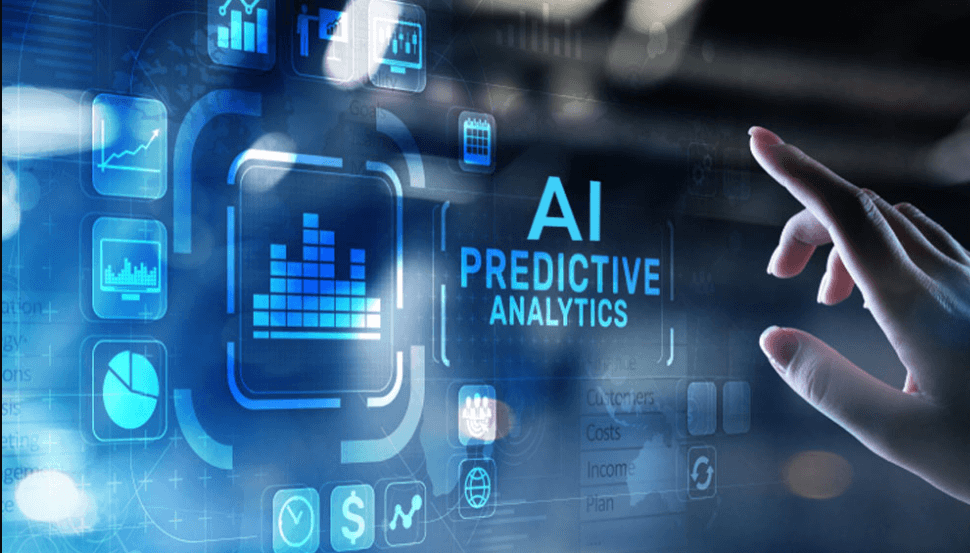
Artificial Intelligence significantly transforms predictive analytics by refining data processing and enhancing model performance. This evolution not only streamlines the extraction of insights from historical datasets but also improves decision-making accuracy. Organizations leveraging AI can proactively address market challenges and seize emerging opportunities. As the landscape of predictive analytics continues to evolve, the implications of AI integration warrant further examination. What advancements lie ahead, and how will they reshape industry practices?
Understanding Predictive Analytics and Its Importance
Predictive analytics serves as a pivotal tool in contemporary data-driven decision-making, enabling organizations to forecast future trends and behaviors through the analysis of historical data.
By effectively utilizing data interpretation techniques, businesses can enhance their decision-making processes, mitigating risks and capitalizing on opportunities.
This strategic foresight fosters a proactive organizational culture, empowering stakeholders to navigate complexities with confidence and agility.
How AI Enhances Predictive Modeling
While traditional statistical methods have long been employed in predictive modeling, the integration of artificial intelligence (AI) has significantly transformed this field.
AI enhances predictive modeling through advanced data preprocessing techniques that streamline data quality and relevance.
Furthermore, AI-driven algorithms facilitate the application of sophisticated model selection criteria, enabling more accurate predictions and ultimately empowering organizations to make informed, data-driven decisions.
See also: The Role of AI in Reducing Energy Consumption
Real-World Applications of AI in Predictive Analytics
The application of artificial intelligence in predictive analytics spans a variety of industries, showcasing its versatility and effectiveness.
In retail, AI analyzes customer behavior to enhance sales strategies, while in finance, it aids in fraud detection by identifying anomalous patterns.
Additionally, healthcare outcomes improve through predictive models that streamline patient care, and supply chain efficiencies are optimized via forecasting demand and managing inventory effectively.
Future Trends in AI and Predictive Analytics
As advancements in artificial intelligence continue to evolve, the integration of AI into predictive analytics is poised to transform how organizations interpret data and forecast future trends.
Future developments will likely emphasize ethical considerations, ensuring that data privacy remains paramount. Organizations must balance innovation with responsibility, leveraging AI’s capabilities while safeguarding individual rights and fostering trust in predictive modeling methodologies.
Conclusion
In an era where machines are heralded as the saviors of decision-making, one must ponder: will AI truly illuminate the path of predictive analytics, or merely lead organizations down a rabbit hole of overfitting and algorithmic hubris? As stakeholders cling to their newfound confidence, one can only hope that the next trend isn’t a reliance on AI to predict which AI will dominate the landscape. After all, in the quest for insights, who better to trust than an overzealous algorithm?