The Role of AI in Reducing Energy Consumption
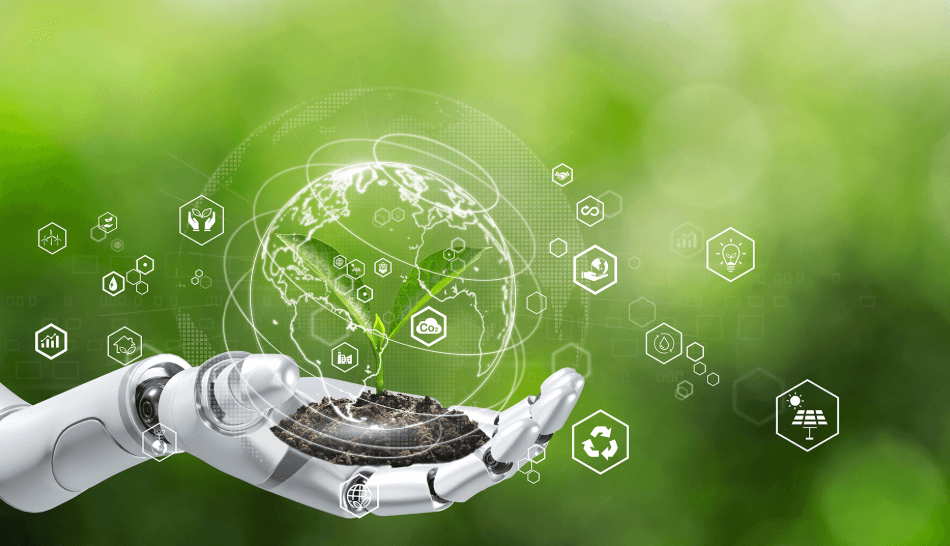
Artificial Intelligence (AI) has emerged as a crucial component in energy management systems. By utilizing advanced algorithms, AI analyzes real-time data to optimize resource allocation and enhance efficiency. This data-driven approach allows for precise identification of usage patterns, enabling consumers to make informed decisions. As AI technology progresses, the potential for further improvements in energy consumption and sustainability becomes increasingly evident, raising questions about its long-term implications for both industries and households.
Understanding AI and Energy Management
As businesses and organizations increasingly seek sustainable solutions, understanding the interplay between AI and energy management has become essential.
AI enhances energy efficiency by optimizing resource allocation within smart grids, enabling real-time data analysis and predictive modeling.
This synergy fosters a more resilient energy infrastructure, allowing for reduced waste and improved consumption patterns, ultimately promoting autonomy and sustainability in energy use.
AI-Driven Solutions for Energy Optimization
While traditional methods of energy management often rely on static models and historical data, AI-driven solutions have revolutionized the approach by employing advanced algorithms and machine learning techniques.
These innovations optimize smart grids by analyzing real-time data and incorporating behavioral insights, enabling more efficient energy distribution.
Consequently, consumers gain greater control over their usage, fostering a sense of freedom and promoting sustainable energy practices.
See also: The Role of AI in Modern Advertising Campaigns
Predictive Analytics in Energy Consumption
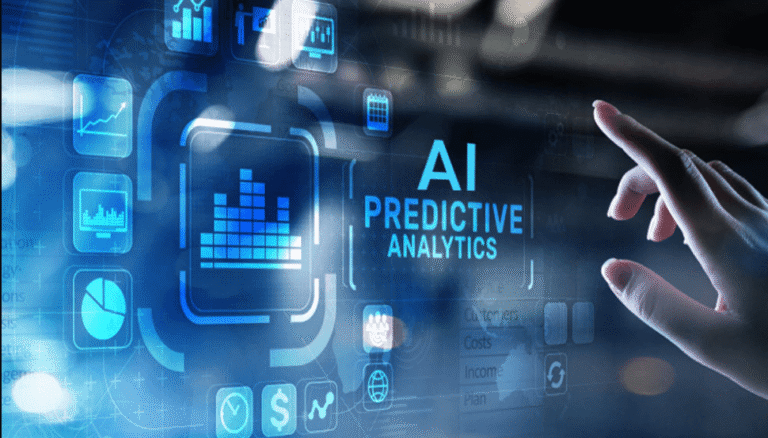
Predictive analytics has emerged as a transformative tool in the realm of energy consumption, particularly by leveraging vast amounts of data to forecast usage patterns and demand fluctuations.
This method enhances energy forecasting accuracy, enabling utilities to optimize supply and reduce waste. By analyzing historical data and real-time inputs, organizations can identify consumption patterns, ultimately promoting sustainable practices and empowering consumers with informed choices.
The Future of Renewable Energy With AI
The integration of artificial intelligence (AI) into renewable energy systems is poised to reshape the landscape of energy production and consumption.
By optimizing smart grids and enhancing energy forecasting, AI facilitates efficient energy distribution and storage.
This transformative approach not only minimizes waste but also empowers consumers with greater control over their energy usage, ultimately fostering a sustainable and decentralized energy future.
Conclusion
In conclusion, the integration of AI in energy management systems not only enhances efficiency but also aligns with the theory of technological determinism, which posits that technology shapes societal practices. As AI-driven solutions continue to evolve, they exemplify how predictive analytics can fundamentally alter energy consumption behaviors. This transformative potential underscores the importance of adopting advanced technologies to achieve sustainable practices, ultimately leading to reduced energy costs and a diminished environmental footprint.